

Stress Takes A Toll
Everyone feels stressed every now and then when life gets complicated, but if it's consistent and serious, it can take a noticeable toll on your body. It's not just about affecting your mood or concentration, it can negatively affect your physical systems, too. Here are just five ways stress affects the body.

1. Stress Can Increase Heart Rate and Blood Pressure
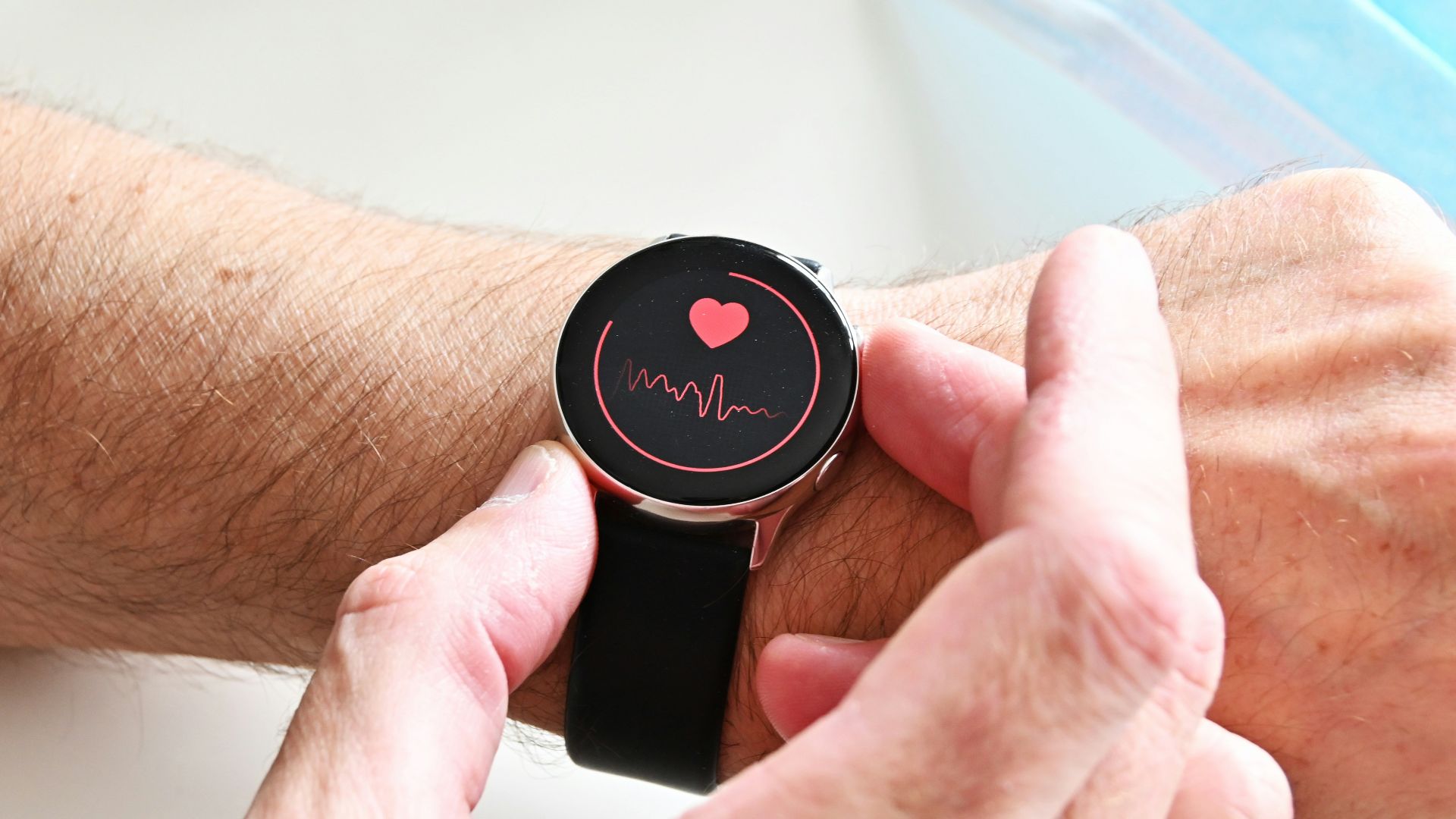
When stress appears, the body responds by releasing hormones that prepare it for quick action. As a result, your heart will start to beat faster, and your blood pressure will also rise for a period of time. If stress becomes frequent, this repeated strain may place extra pressure on the cardiovascular system.
2. Stress Can Disrupt Sleep
You know how difficult it can be to sleep when you've got too much on your mind. You might struggle to fall asleep, wake up randomly throughout the night, or simply feel less rested when morning comes. Over time, poor sleep will make you feel constantly tired and tense.

3. Stress Can Affect Digestion
Your digestive system is quite sensitive to emotional strain. When stress builds up, it may contribute to stomach discomfort, changes in appetite, bloating, or irregular digestion. For some people, this means eating too little, while for others it means becoming unexpectedly devoted to snacks.

4. Stress Can Weaken the Immune System
Unfortunately, you're much more prone to sickness when you're feeling stressed. And when it's long term, your body's ability to defend itself effectively is reduced even further. A busy schedule is one thing, but adding extra sneezes to it is rarely welcome.

5. Stress Can Cause Muscle Tension and Pain
Stress commonly causes muscles to tighten, especially in the neck, shoulders, and back. This tension may lead to aches, headaches, or a general feeling of physical stiffness. That knot in your back likely isn't going away until your stress does.