When a Muscle Has Other Plans
A charley horse can turn an ordinary night into a few very uncomfortable minutes. These sudden muscle cramps commonly affect the calf and happen when a muscle involuntarily tightens, sometimes because of overuse, other times from staying in one position too long. Fortunately, most aren't serious, and a few simple things can ease the soreness.
1. Gently Stretch the Muscle
Your first instinct might be to freeze when a cramp hits, but you should actually do the opposite! For a calf cramp, try straightening your leg and gently pulling your toes toward you, rather than pointing them away. Hold the stretch without forcing it until the tightness subsides.
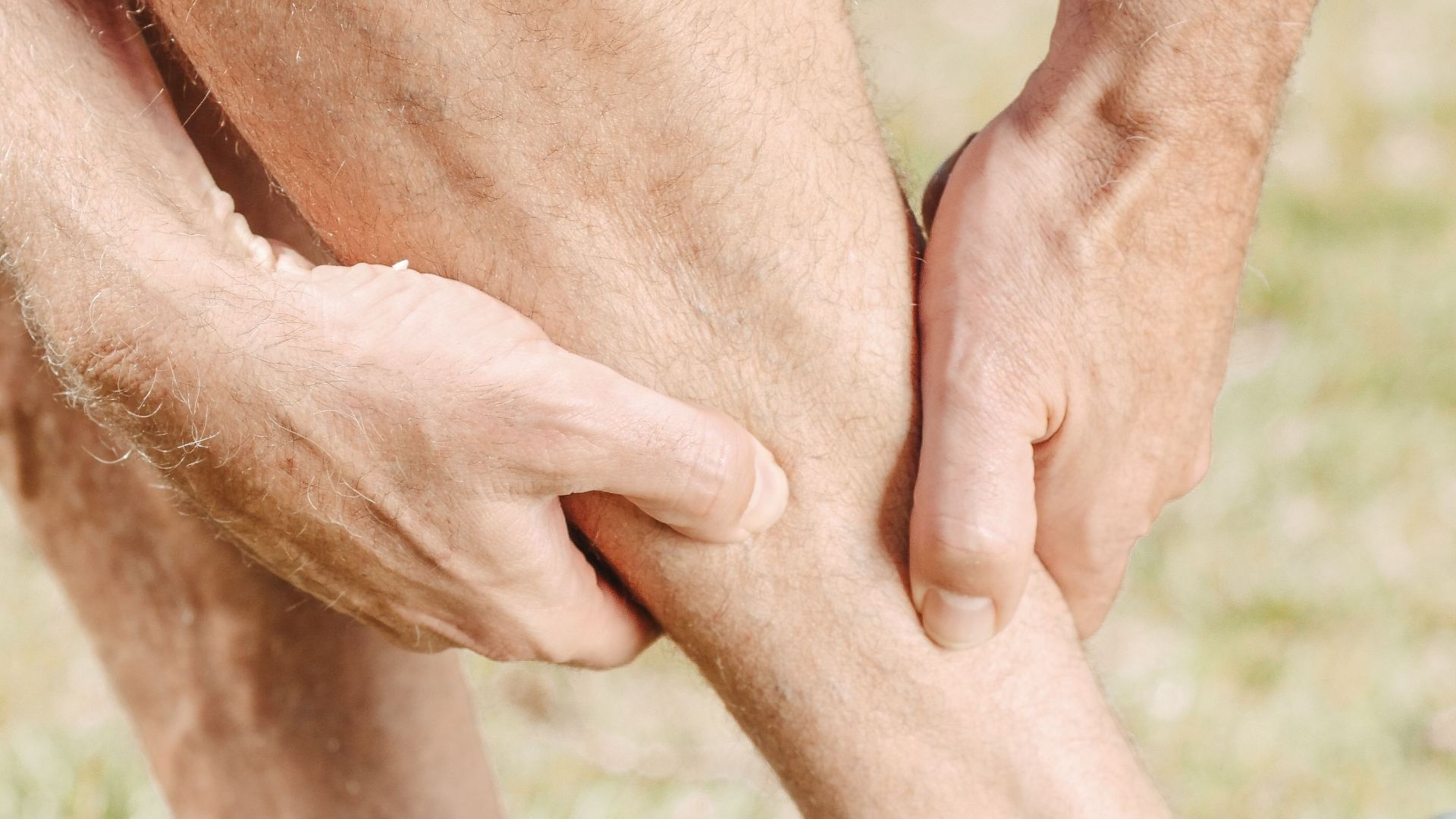
2. A Light Massage
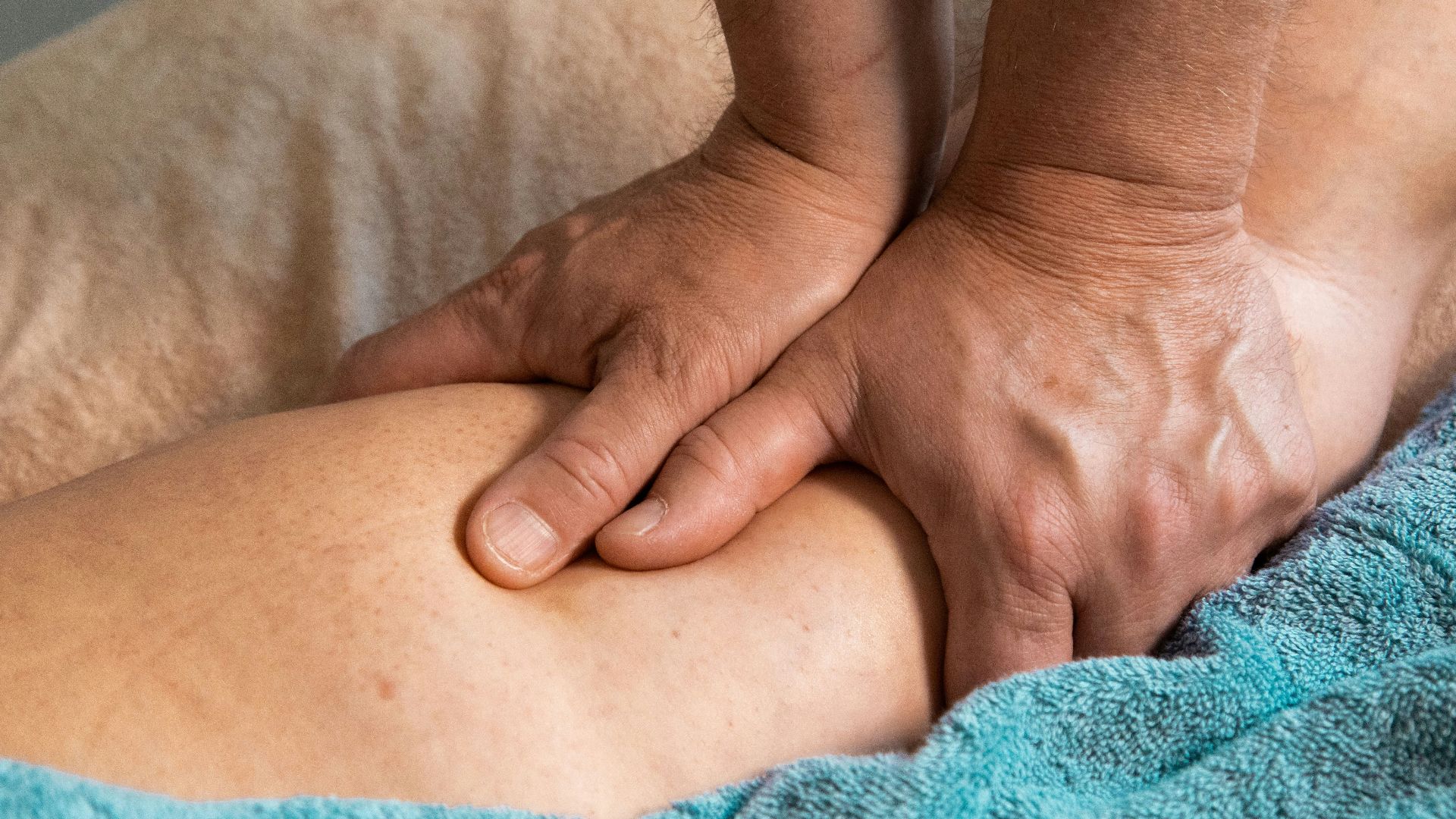
Once you can comfortably reach the troublesome spot, you should try rubbing the muscle to help relieve some of that tension. You can also use your hands to massage the area rather than digging aggressively, so stretching and gentle massage are both recommended self-care options.
3. Reach for Heat
Warmth can be pleasant while the muscle still feels tight, and you don’t need much of it. A warm towel, heating pad, or warm shower may help the tense muscle relax, provided you use a comfortable temperature and protect your skin. If soreness remains, cold may be more useful at that stage.
4. Drink Water
We know you’ve heard it a million times, but dehydration can contribute to muscle cramps, too. Drinking water can help when fluid loss is part of the problem; adequate hydration throughout the day can also reduce your chances of a cramp later on.
5. Pay Attention to Repeats
The odd charley horse isn't really cause for alarm, but frequently stubborn cramps deserve more attention. Talk with a doctor if they happen often, last a long time, or cause severe discomfort. Those symptoms can sometimes point to an underlying problem.